Weaves and Extensions: A Buying Guide That Is Not a Sales Pitch
What "raw", "virgin" and "Remy" actually mean, how many bundles you really need, and the upsells worth refusing.
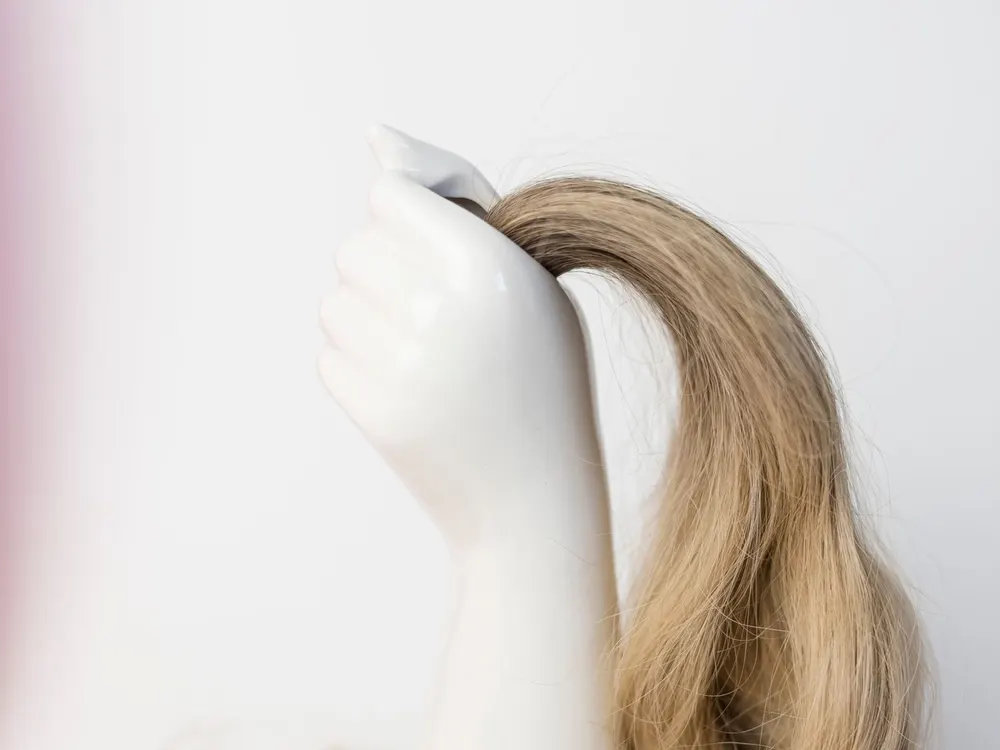
Extension marketing runs on words with no legal definition. Here is what they mean in practice, and what actually determines whether hair lasts three months or three years.
The vocabulary, decoded
- Remy — cuticles are intact and running in the same direction. This is the minimum worth buying. Non-Remy hair has had its cuticles stripped to stop matting, which works until the coating wears off.
- Virgin — never chemically processed. No colour, no perm, no relaxer.
- Raw — virgin, and from a single donor. This is the real distinction. Single-donor hair behaves consistently because it is one person's hair, not a blend.
"Raw" is unregulated and widely abused. The signals that mean something: a seller who tells you the origin, shows unedited video in normal light, and does not have unlimited stock of every length in every texture.
How much hair do you actually need?
Longer bundles have the same weight spread over more length, so they look thinner. Roughly:
- Up to 16" — two bundles, three for a full look.
- 18" to 22" — three bundles.
- 24" and above — four bundles, plus a closure or frontal.
Buy them in one order from one seller. Two bundles of the "same" texture bought months apart frequently do not match.
The methods, honestly compared
Sew-in with bundles. The most durable and the most protective when it is braided properly. Six to eight weeks. Tension is the risk — a sew-in that hurts is damaging your edges, and no install should hurt.
Clip-ins. Underrated. Ten minutes, no commitment, zero damage, and you take them out at night. If you want length for an event rather than a lifestyle, this is the sensible purchase.
Tape-ins. Flat and invisible under fine hair, six to eight weeks between moves. They need a professional and they do not love very coily textures.
Micro-links. No glue, no thread, but the beads slide and each one is a stress point. Good on medium-density hair, risky on fine hair.
Crochet and braiding hair. The cheapest genuine protective style, and the fastest to install. Synthetic in most cases, so treat it as seasonal rather than an investment.
Where the money is wasted
Three upsells you can usually refuse: "double drawn" on anything under 18" (you will not see the difference), pre-coloured blonde bundles that have been lifted badly and will not survive a wash, and closures bought separately from the bundles they are meant to match.
Where the money is worth spending: origin, a closure or frontal that actually matches, and — if you are installing yourself — a decent bond remover so removal does not cost you the hairline that the install protected.
Making it last
Wash it as if it were on a head that produces no oil, because it is. Sulphate-free shampoo, condition through the mid-lengths, air-dry where possible, and seal with a light oil. Sleep in satin. Extensions do not fail from wear so much as from dehydration.


