Hair Dryers for Coily Hair: What to Look For in 2026
The attachment matters more than the motor, and the temperature matters more than either.
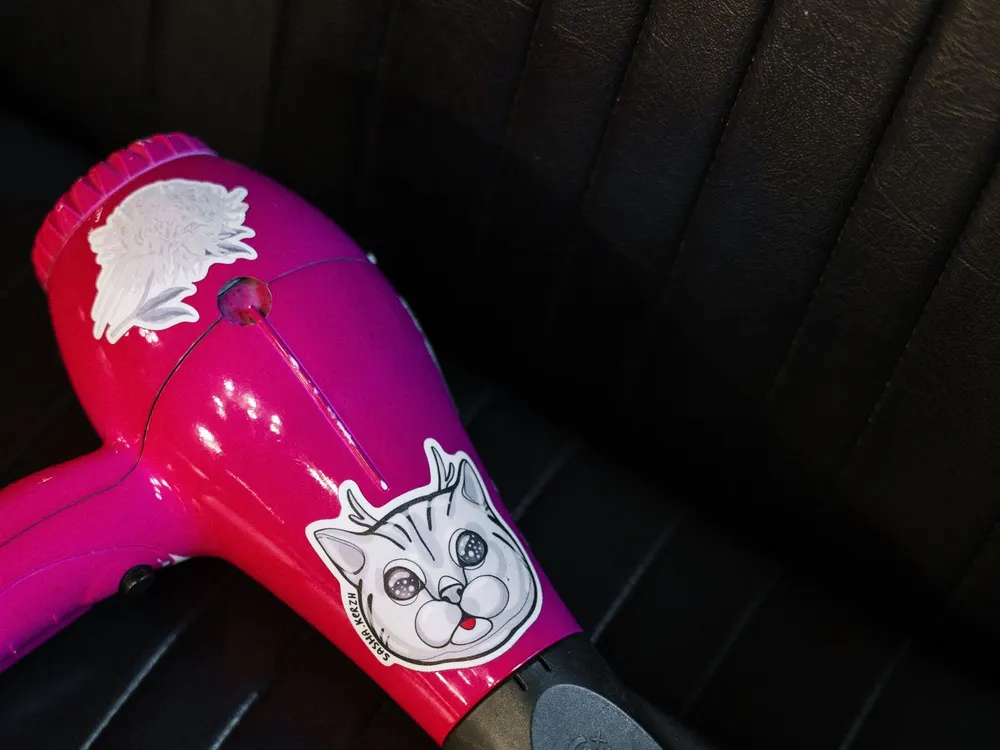
Air-drying is gentlest, but it is not always practical, and wet coily hair left too long can mean a damp scalp all day. The question is not whether to use heat but how to use the least of it.
The four types, and who each suits
Diffuser attachment. Spreads airflow so it dries curls without blasting them apart. This is the default for anyone keeping their curl pattern. A large bowl with long prongs beats a small flat one.
Hooded and bonnet dryers. The gentlest heat here. No airflow hitting the hair directly, so no frizz and no mechanical stress — ideal for roller sets, twist-outs and deep conditioning. Soft bonnet attachments that clip onto a handheld dryer cost very little and do most of the job.
Comb and pick attachments. For stretching rather than defining. Tension plus warm air elongates coils without a flat iron. Considerably safer than an iron and the result lasts.
Blow-dryer brushes. One tool, brush and dryer combined. Convenient, but they concentrate heat and tension in the same place, which is exactly the combination coily hair handles worst. Occasional use only.
What actually matters in the specification
- Heat settings, plural. A dryer with one temperature is unusable on textured hair. You want a genuine low, and a cool shot.
- Independent heat and speed controls. High airflow at low heat is the setting you will live on. A dryer that couples them takes it away.
- Ionic. Reduces static and helps water evaporate faster, so less total heat time. Worth having, not transformative.
- Motor type. Brushless motors are quieter, lighter and dry faster. The main thing you gain is time with heat near your hair.
- Weight. Drying dense coily hair takes 20 to 40 minutes with your arm up. A heavy dryer is not a small problem.
- Wattage. 1800W and above. Below that you are holding heat on your hair for longer to get the same result.
The technique that prevents damage
- Always use a heat protectant. Non-negotiable, even on the diffuser.
- Get to 70 % dry by towel and air first. Microfibre or a cotton t-shirt, never a terry towel.
- Work in four to six sections. Drying loose hair means going over the same strands repeatedly.
- Medium heat, high speed. Airflow does the work; heat is what damages.
- Keep it moving. Never hold the nozzle still. With a diffuser, cup and lift rather than sweeping.
- Finish cold. The cool shot closes the cuticle and sets the style. It is the most skipped step and one of the most useful.
Temperature, honestly
Damage to the keratin structure starts around 150 °C / 300 °F, and it is cumulative — the pattern loosens gradually, then one day does not come back. Colour-treated hair has less structure to spare, so lower again.
If your curls have been getting looser over a year and you have not changed anything else, this is usually why.


